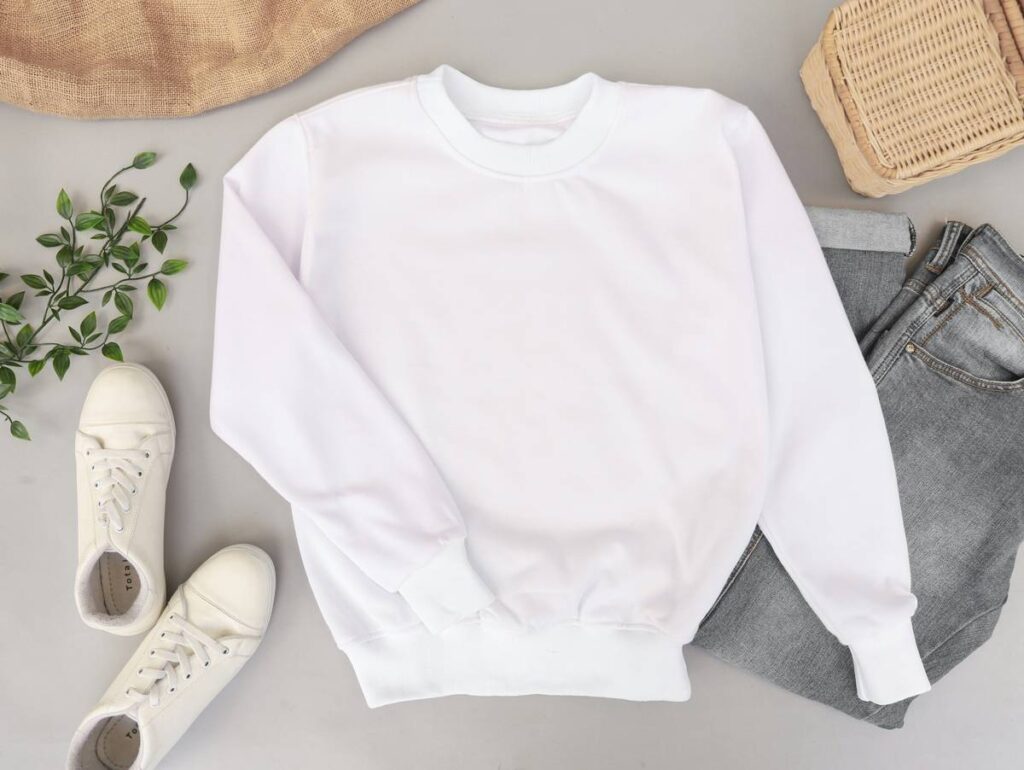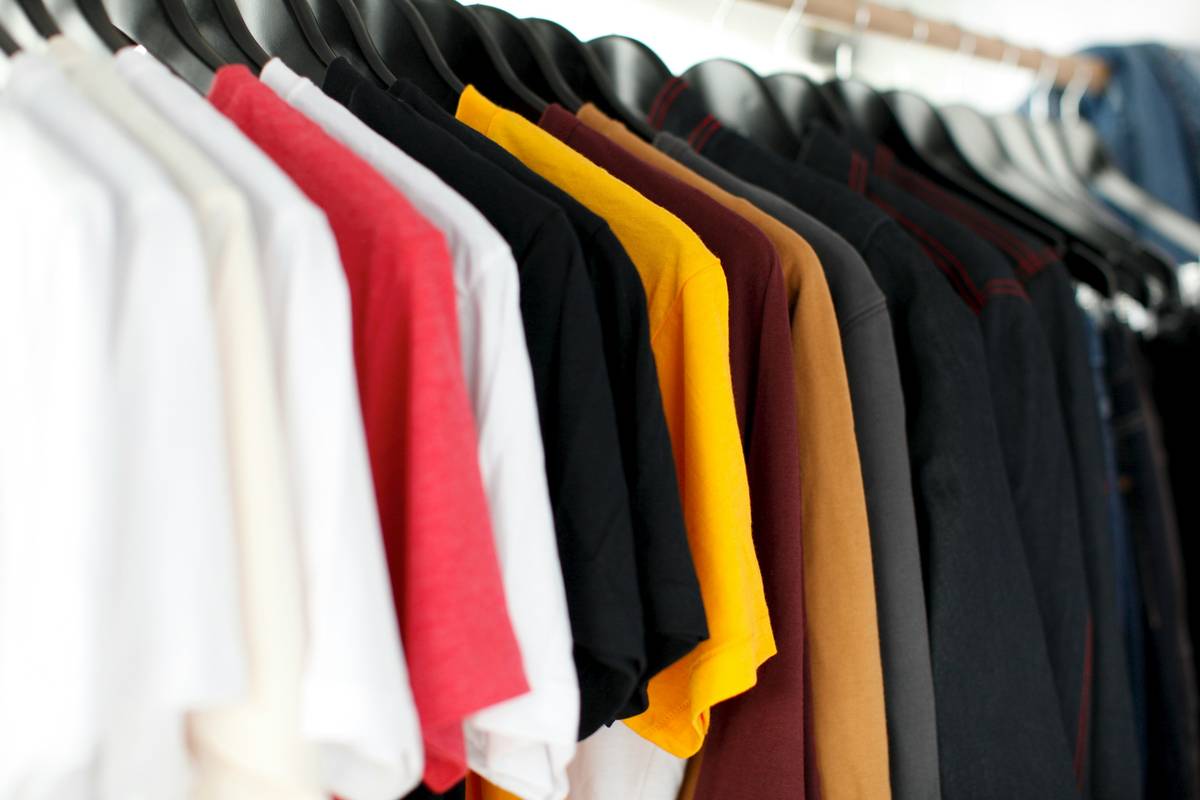
You’ve got killer designs—but your prints look muddy, cracked, or flat. You’re not alone. Most beginners blame the ink, the press, or “bad luck.” The truth? Your shirts are sabotaging you before ink even hits fabric. And it’s costing you time, money, and reputation. Here’s how to choose and prep shirts for screen printing tips that actually deliver sharp, durable results—every time.
Why 90% of Screen Prints Fail Before the First Stroke
Screen printing isn’t just about screens and squeegees. It starts with the canvas: the shirt itself. Too many jump straight into printing on whatever bulk-pack cotton they grabbed off Amazon. Big mistake.
Low-thread-count blends pill. Polyester resists water-based inks unless pre-treated. Off-white bases dull vibrant colors. And shrinkage after washing? That “perfect” print becomes a distorted mess.
And here’s what nobody tells you: even premium blanks behave differently under heat, pressure, and ink saturation. If you don’t account for that upfront, your registration lines will blur, your gradients will bleed, and your clients will ask for refunds—not referrals.
Shirts for Screen Printing Tips: A No-BS Step-by-Step Guide
Forget vague advice like “use good quality shirts.” Let’s get tactical. Below is the exact decision matrix I use when prepping runs for my own apparel line—and for affiliate partners who demand consistency.
| Fabric Type | Best For | Ink Compatibility | Pre-Treatment Needed? | Cost per Unit (Bulk) |
|---|---|---|---|---|
| 100% Ringspun Cotton (30+ singles) | Soft-hand prints, vintage looks, eco-brands | Water-based, discharge, plastisol | No | $3.50–$6.00 |
| Cotton/Poly Blend (50/50) | Budget runs, athletic fits, moisture-wicking | Plastisol only (water-based peels) | Yes—heat press before printing | $2.00–$4.00 |
| Tri-Blend (Cotton/Poly/Rayon) | Luxury drape, fashion-forward brands | Discharge or low-cure plastisol | Yes—test shrinkage first | $5.00–$8.50 |
| Organic Cotton (GOTS certified) | Sustainable campaigns, premium pricing | Water-based, eco-plastisol | No—but verify dye lot consistency | $6.00–$9.00 |
Wash Before You Print—Seriously
Preshrinking isn’t optional. Even “pre-shrunk” labels lie. Run all shirts through a hot wash and dry cycle before printing. Skipping this? Expect warped logos post-wash. Period.
Check the Seam Placement
A centered chest print looks amateurish if the shirt’s side seam is crooked. Lay shirts flat—measure from shoulder seam to hem on both sides. Reject anything off by more than ¼ inch.
Color Matters More Than You Think
Printing white ink on heather grey? Fine. But printing light yellow on stone beige? Good luck getting contrast. Always mock up your design on the actual shirt color—not a Pantone swatch.

The Industry Secret: It’s Not About the Shirt—It’s About the Batch
Here’s the reality most printing forums won’t admit: two packs of the same brand, same model, can yield wildly different results. Why? Dye lots shift. Mills change yarn suppliers quarterly. I once lost a 500-unit run because a new batch of “identical” shirts had tighter knitting—ink couldn’t penetrate evenly.
My fix? Order extra test units from each new production date code. Run a full cure-and-wash test before committing. Yes, it costs $50 upfront. But it saves $2,000 in reprints—and your client’s trust.
Think about it: your printer is only as good as the variables you control. Fabric is the silent variable. Master it, and you’ll outperform shops with fancier equipment.
FAQ
What thread count is best for screen printing?
Aim for 30 singles or higher. Higher singles = smoother surface = sharper detail. Avoid anything below 20 singles—they’re too coarse for fine lines.
Can I screen print on polyester shirts?
Only with plastisol ink—and you must heat-press them first to prevent dye migration. Water-based inks will fail unless you use a special poly blocker.
Should I use new or vintage-style shirts for screen printing?
Depends on your design. Vintage wash tees absorb ink unevenly—great for distressed looks, terrible for photorealistic prints. Match fabric texture to artistic intent.