You bought screens, ink, a squeegee—and still ended up with blotchy, misaligned shirts that nobody wants. The frustration is real. You followed YouTube tutorials to the letter, yet your results look amateurish next to big brands. Here’s the truth: tee shirt screen printing isn’t about gear. It’s about timing, tension, and tiny choices most overlook. And those choices? They’re the difference between garage waste and scalable revenue.
Why Standard DIY Screen Printing Fails Miserably
Most beginners treat screen printing like painting with stencils. Big mistake. The screen isn’t just a stencil—it’s a precision mesh under calibrated tension. Buy cheap polyester mesh off Amazon, stretch it haphazardly, and expect sharp prints? Forget it.
And registration? Good luck aligning multicolor designs without a proper press or jig. You’ll end up with ghosted layers and wasted blanks—each one eating into your razor-thin margins. The math is simple: if your yield is 60%, you’re losing money on every batch.
tee shirt screen printing: A Realistic Step-by-Step Workflow for Starters
Skip the hype. Focus on these essentials—no fluff, no “pro tips” that assume $2,000 budgets.
Mesh Selection Matters More Than You Think
110–160 mesh count is your sweet spot for standard cotton tees. Too fine? Ink won’t deposit enough. Too coarse? Details blur. Test prints aren’t optional—they’re your R&D phase.
Emulsion Exposure Isn’t Guesswork
Underexpose, and your stencil washes out mid-print. Overexpose, and you lose edge definition. Use a step wedge test with your specific light source. Ambient humidity changes exposure time—yes, really.
Ink Viscosity = Print Clarity
Plastisol straight from the can? Often too thick. Add 1–3% curable reducer—but never water. Water ruins cure consistency. Stir gently; air bubbles cause pinholes.
| Method | Setup Cost | Per-Shirt Cost (1-color) | Ideal Batch Size |
|---|---|---|---|
| Hand-Burnt Screen + DIY Press | $80–$150 | $1.80–$2.50 | 10–50 units |
| Pre-Made Screens + Hinge Registration | $200–$400 | $1.20–$1.75 | 25–100 units |
| Automatic Press (Entry-Level) | $3,000+ | $0.60–$0.90 | 100+ units |
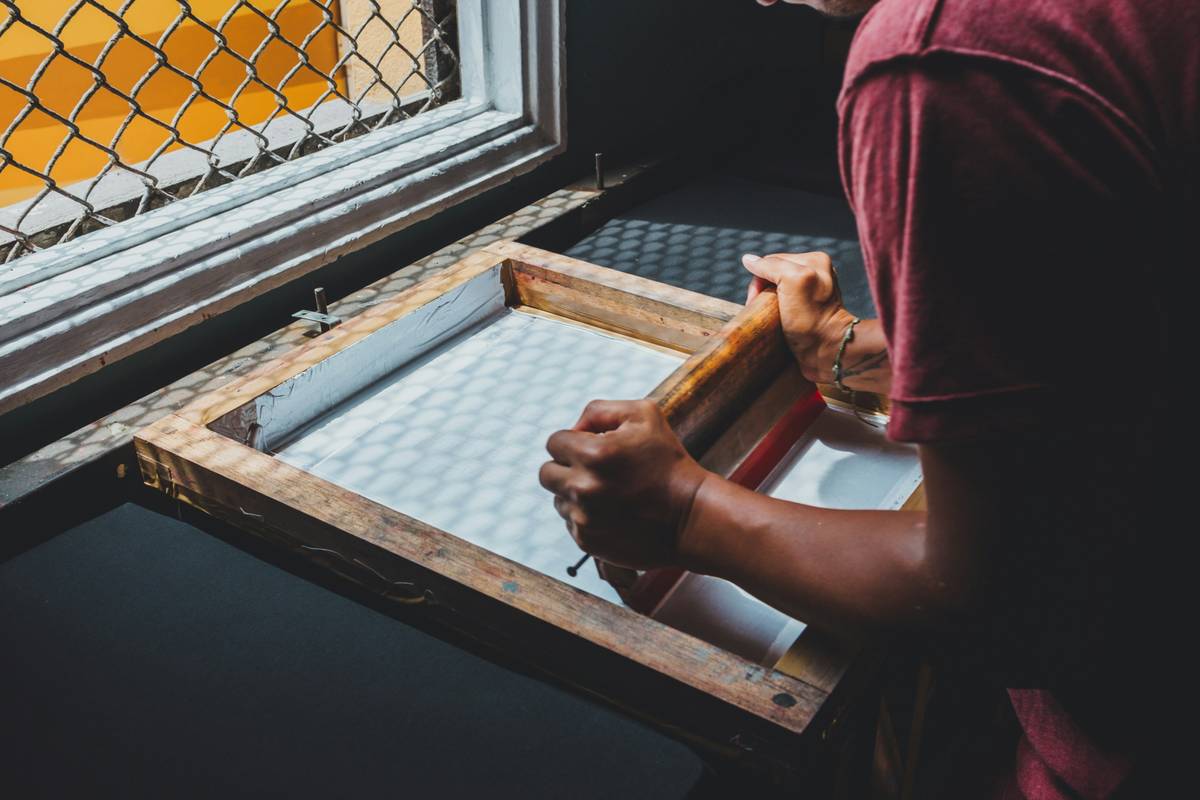
The Industry Secret: Print Less, Sell More
Here’s what printers won’t tell you: limited runs drive perceived value. Instead of churning 200 identical shirts, do 50—with numbered tags and micro-influencer collabs. People pay premiums for scarcity, not volume. One boutique brand I advised switched to “drop model” releases (50 units/month) and doubled their average order value. Their screen costs dropped because they reused screens across drops with minor tweaks. Less ink waste. Higher margins. And zero inventory risk.
Think about it: would you rather sell 200 shirts at $18—or 50 at $38?
Frequently Asked Questions
Can you screen print at home without a darkroom?
Yes—with diazo-free emulsions and UV LED exposure units. Total setup under $120. But control ambient light strictly during coating.
How long does screen printing ink last on shirts?
Properly cured plastisol lasts 50+ washes without cracking. Water-based inks soften over time but feel more “vintage.” Cure temperature matters more than ink type.
Is screen printing better than DTG for small batches?
For 1–10 shirts? DTG wins. For 15+ identical designs? Screen printing slashes per-unit cost and offers richer opacity—especially on dark fabrics.